The Bentley Historical Library will be closed on Friday, July 3, 2026 and Saturday, July 4, 2026 in observance of Independence Day.
Use the U-M Library Search to explore the Bentley's collections.
Hours:
Monday: Closed
Tuesday: 9:30 AM – 4:30 PM
Wednesday: 9:30 AM – 7:00 PM
Thursday: 9:30 AM – 4:30 PM
Friday: 9:30 AM – 4:30 PM
Saturday: 9:30 AM – 1:30 PM
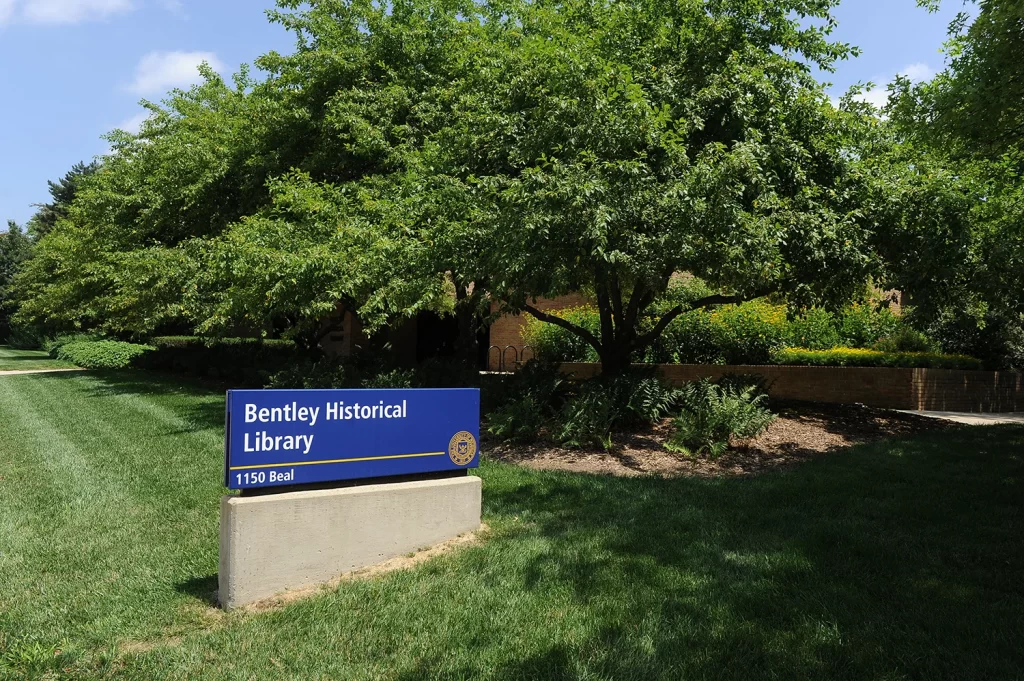
1150 Beal Avenue
Ann Arbor, MI 48109-2113 U.S.A.
734-764-3482 (voicemail only)


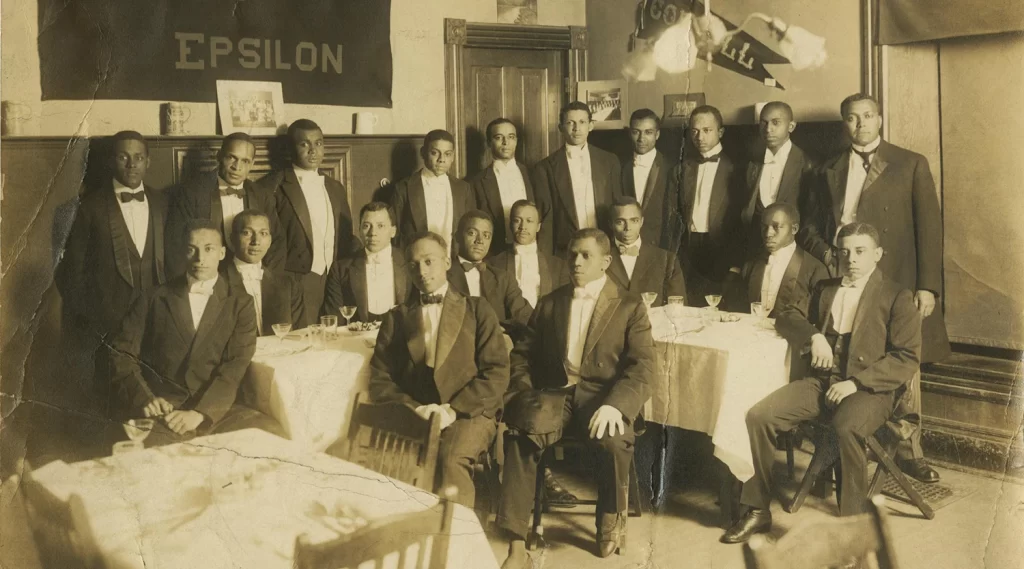
In honor of Juneteenth, meet Henry Lincoln Johnson, one of the many U-M alumni impacted by the history of slavery.
Born in Georgia to parents who had been formerly enslaved, Johnson earned his Bachelor`s degree from Atlanta University, then traveled to Michigan to study law in 1890. He arrived in Ann Arbor many years before the Law Quad ever existed.
The early Law building, where he attended classes, was located near the corner of the Diag between South State Street and North University Avenue. As one of few Black students at U-M at the time, his time here was likely a lonely experience. Despite this, he was a dedicated student, and was later well known for his skills as a persuasive public speaker.
After graduating in June of 1891, Johnson went on to become the first Black lawyer to practice in Jackson County, Georgia, and an influential politician.
He was appointed by President Taft as the Recorder of Deeds for the District of Columbia. However, when he was renominated as Recorder of Deeds in 1920, his nomination was defeated due to a vocal group of white politicians who resented his influence.
He went on to push back against discrimination in the court of law on behalf of many Black defendants who faced biased accusations.
Today marks the anniversary of the day enslaved African Americans finally gained freedom. On this day, we remember Henry Lincoln Johnson, and everyone harmed by the legacy of slavery.
#Juneteenth #BlackHistory #UMich #AlumniHistory #1890s
In honor of Juneteenth, meet Henry Lincoln Johnson, one of the many U-M alumni impacted by the history of slavery.
Born in Georgia to parents who had been formerly enslaved, Johnson earned his Bachelor`s degree from Atlanta University, then traveled to Michigan to study law in 1890. He arrived in Ann Arbor many years before the Law Quad ever existed.
The early Law building, where he attended classes, was located near the corner of the Diag between South State Street and North University Avenue. As one of few Black students at U-M at the time, his time here was likely a lonely experience. Despite this, he was a dedicated student, and was later well known for his skills as a persuasive public speaker.
After graduating in June of 1891, Johnson went on to become the first Black lawyer to practice in Jackson County, Georgia, and an influential politician.
He was appointed by President Taft as the Recorder of Deeds for the District of Columbia. However, when he was renominated as Recorder of Deeds in 1920, his nomination was defeated due to a vocal group of white politicians who resented his influence.
He went on to push back against discrimination in the court of law on behalf of many Black defendants who faced biased accusations.
Today marks the anniversary of the day enslaved African Americans finally gained freedom. On this day, we remember Henry Lincoln Johnson, and everyone harmed by the legacy of slavery.
#Juneteenth #BlackHistory #UMich #AlumniHistory #1890s
...
The Power Center for the Performing Arts is a beloved Central Campus building that hosts all kinds of shows!
But did you know that the Power Center parking structure is also where the "Top of the Park" concert series started in Ann Arbor over 40 years ago?
Ann Arbor locals may remember walking up to the top of the parking structure next to the Power Center, and sitting in metal folding chairs to watch open-air screenings of movies and live music!
There, interrupted only by the occasional low-flying plane or scattered rain shower, they would watch Charlie Chaplin films and modern movies, enjoy things like jazz performances, and have what the 1985 Michigan Daily called "a pretty grand time."
In 2006 Top of the Park moved to the wide expanse of Ingalls Mall due to construction on the parking structure. The larger space proved useful for this growing celebration, and Top of the Park can still be found on Ingalls Mall this year. You might know it as the outdoor portion of the Ann Arbor Summerfest, or A2SF!
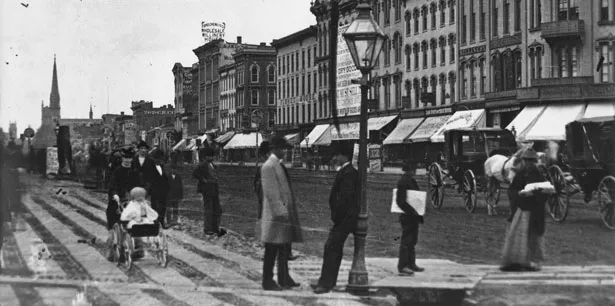
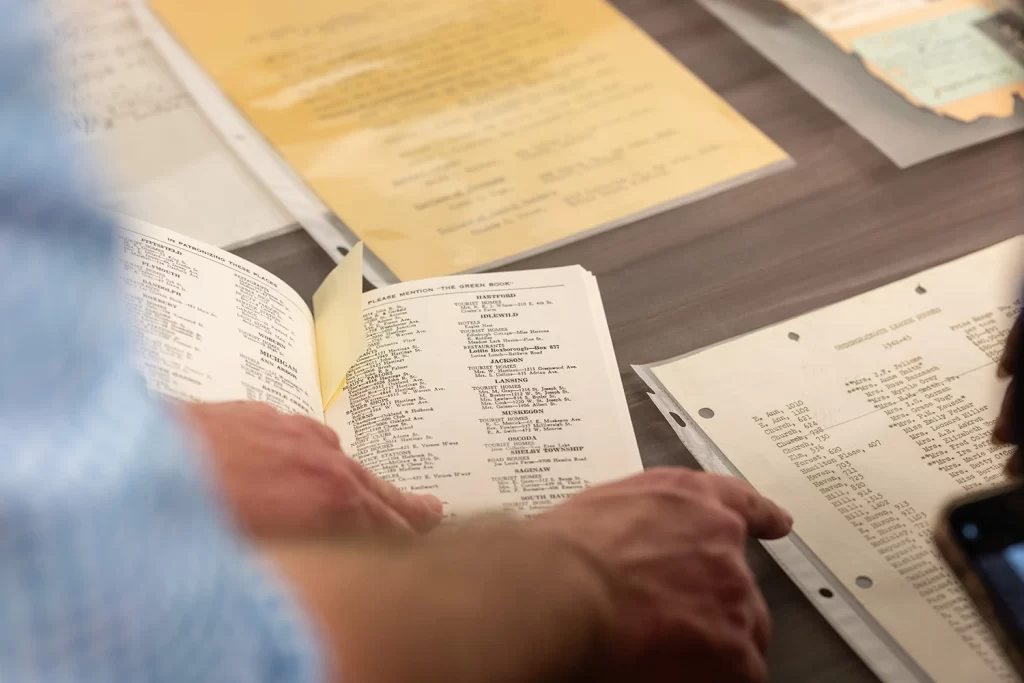
You can find this photo of the Power Center, and others like it, in the News and Information Photograph Collection at the Bentley Historical Library, which anyone is welcome to explore in our reading room.
You’re also welcome to re-create historical photos from the archives, among other fun activities, at the A2SF booth for U-M’s historic Frankel Detroit Observatory this afternoon, June 18, starting at 5:00 PM in the Annex near North University Avenue!
#AnnArbor #LocalHistory #TBT #PowerCenter #TopOfThePark #A2SF #AnnArborSummerfest
The Power Center for the Performing Arts is a beloved Central Campus building that hosts all kinds of shows!
But did you know that the Power Center parking structure is also where the "Top of the Park" concert series started in Ann Arbor over 40 years ago?
Ann Arbor locals may remember walking up to the top of the parking structure next to the Power Center, and sitting in metal folding chairs to watch open-air screenings of movies and live music!
There, interrupted only by the occasional low-flying plane or scattered rain shower, they would watch Charlie Chaplin films and modern movies, enjoy things like jazz performances, and have what the 1985 Michigan Daily called "a pretty grand time."
In 2006 Top of the Park moved to the wide expanse of Ingalls Mall due to construction on the parking structure. The larger space proved useful for this growing celebration, and Top of the Park can still be found on Ingalls Mall this year. You might know it as the outdoor portion of the Ann Arbor Summerfest, or A2SF!
You can find this photo of the Power Center, and others like it, in the News and Information Photograph Collection at the Bentley Historical Library, which anyone is welcome to explore in our reading room.
You’re also welcome to re-create historical photos from the archives, among other fun activities, at the A2SF booth for U-M’s historic Frankel Detroit Observatory this afternoon, June 18, starting at 5:00 PM in the Annex near North University Avenue!
#AnnArbor #LocalHistory #TBT #PowerCenter #TopOfThePark #A2SF #AnnArborSummerfest
...
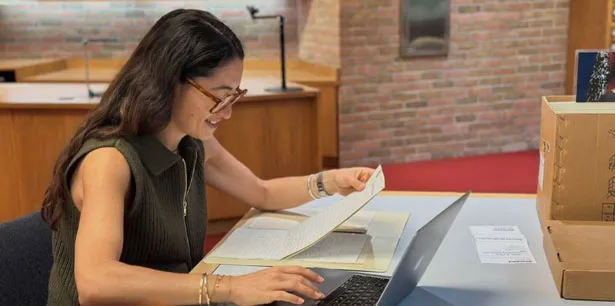
Meet Charlotte Brivio! ⭐ Charlotte is fascinated by the history of women`s advocacy for the right to vote. She has been exploring this amazing history in the archives as a research fellow at the Bentley!
As part of her PhD in American History at the Sorbonne Université, Charlotte is delving into the lives of women across the United States who tried to cast their votes around the 1870s, many years before women were finally granted the right to vote.
These women hoped to have their votes challenged, in order to be brought to court and argue for their right to vote, Charlotte explains. Her research reveals hundreds of women who tried to vote this way!
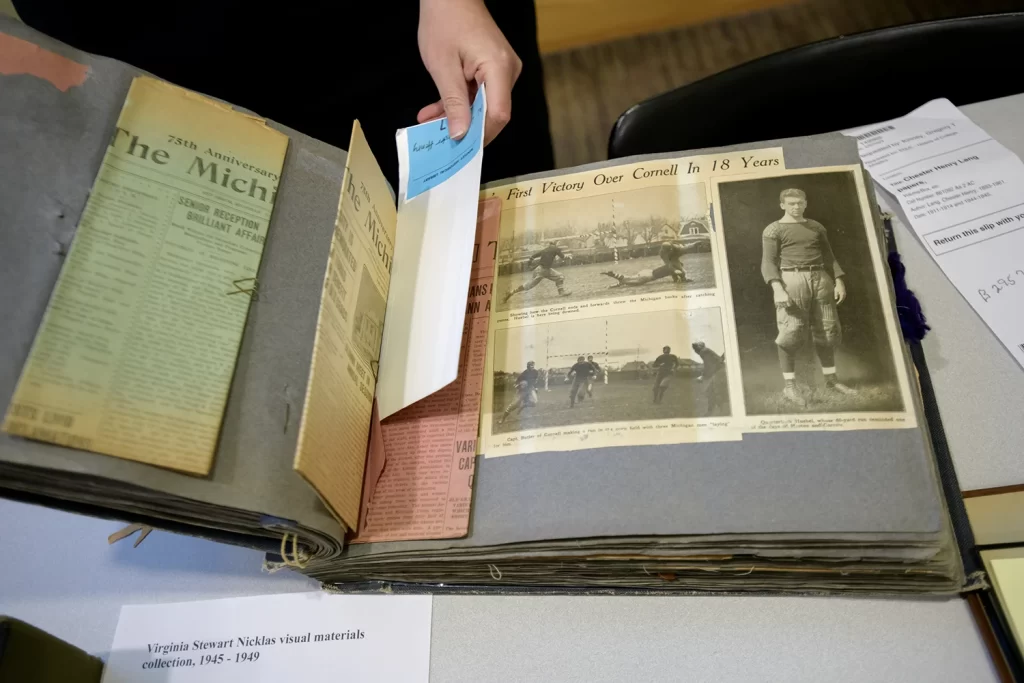
One of those women was Sojourner Truth, whose life Charlotte has explored in the Berenice Bryant Lowe papers here, full of newspaper clippings, letters, photos, and even a scrapbook.
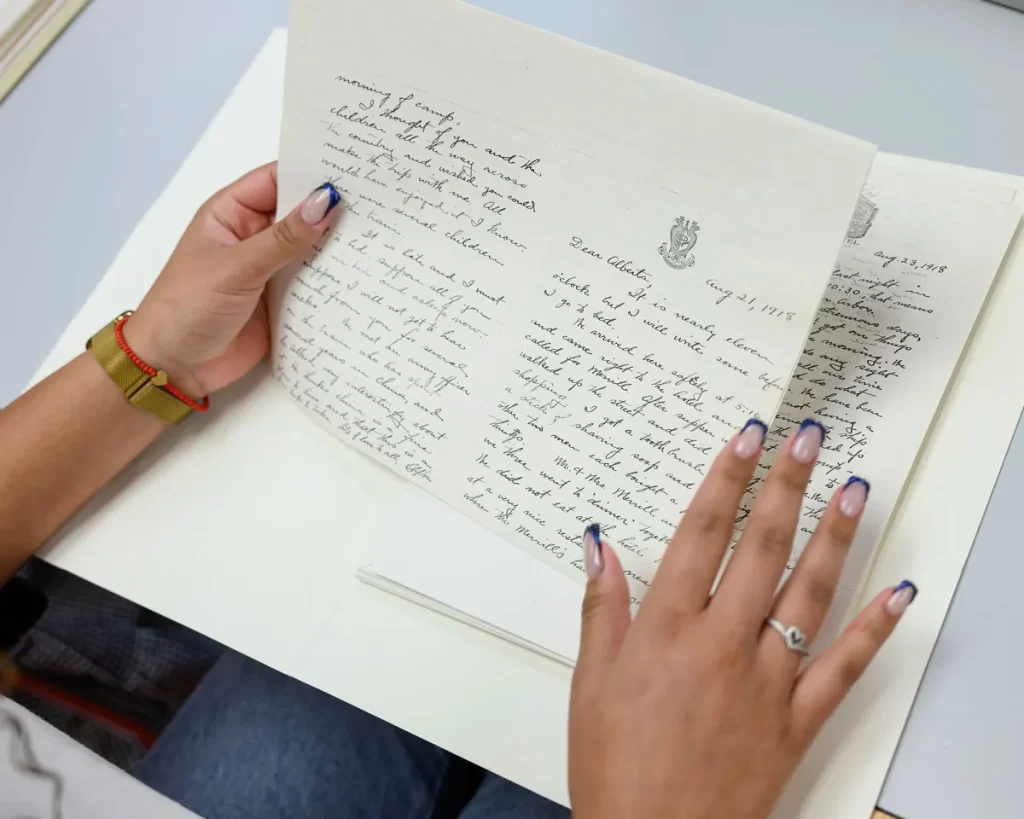
Another was Nannette Gardner, a widow in Michigan who successfully voted in 1871, and whose papers contain things like a diary entry from her daughter, describing how her mother brought a bouquet and a banner to the polls.
Although this method of trying to win the vote for women is often seen as part of Susan B. Anthony and Elizabeth Cady Stanton`s overall strategy, Charlotte`s research shows that it is actually also a grassroots strategy that was used independently by women across the country!
She notes that, after independent women tried to vote in this way, Stanton and Anthony would often arrive after the fact to try to claim that woman`s vote as part of their movement, sometimes without even crediting their names. Charlotte is exploring how historical media depicted this strategy for women`s right to vote in her dissertation!
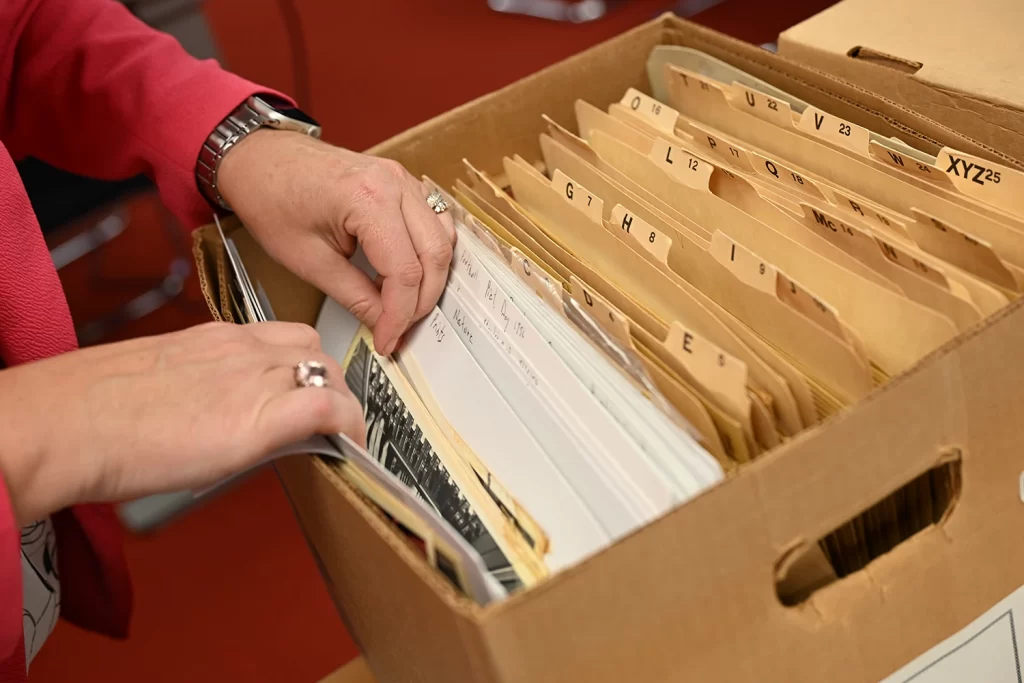
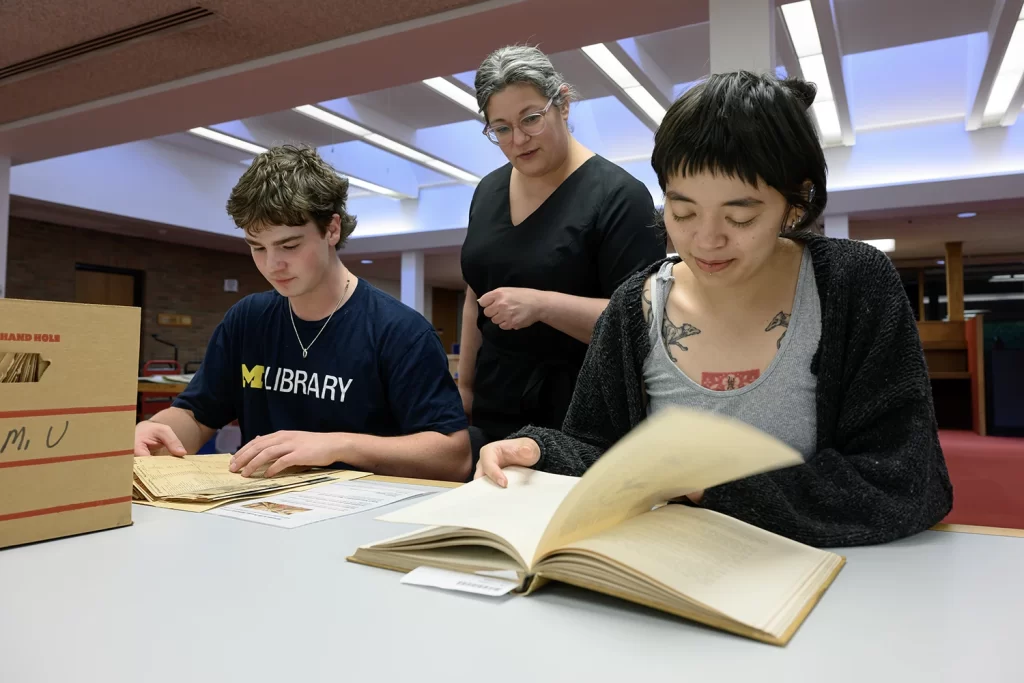
Interested in learning more? Anyone is welcome to explore historical Michigan newspapers, the Nannette Gardner papers, and the Berenice Bryant Lowe papers in our reading room, which is free to visit and open to all.
#Archives #MichiganHistory #SuffrageMovement #ResearchFellow #SojournerTruth #NannetteGardner #1870s
Meet Charlotte Brivio! ⭐ Charlotte is fascinated by the history of women`s advocacy for the right to vote. She has been exploring this amazing history in the archives as a research fellow at the Bentley!
As part of her PhD in American History at the Sorbonne Université, Charlotte is delving into the lives of women across the United States who tried to cast their votes around the 1870s, many years before women were finally granted the right to vote.
These women hoped to have their votes challenged, in order to be brought to court and argue for their right to vote, Charlotte explains. Her research reveals hundreds of women who tried to vote this way!
One of those women was Sojourner Truth, whose life Charlotte has explored in the Berenice Bryant Lowe papers here, full of newspaper clippings, letters, photos, and even a scrapbook.
Another was Nannette Gardner, a widow in Michigan who successfully voted in 1871, and whose papers contain things like a diary entry from her daughter, describing how her mother brought a bouquet and a banner to the polls.
Although this method of trying to win the vote for women is often seen as part of Susan B. Anthony and Elizabeth Cady Stanton`s overall strategy, Charlotte`s research shows that it is actually also a grassroots strategy that was used independently by women across the country!
She notes that, after independent women tried to vote in this way, Stanton and Anthony would often arrive after the fact to try to claim that woman`s vote as part of their movement, sometimes without even crediting their names. Charlotte is exploring how historical media depicted this strategy for women`s right to vote in her dissertation!
Interested in learning more? Anyone is welcome to explore historical Michigan newspapers, the Nannette Gardner papers, and the Berenice Bryant Lowe papers in our reading room, which is free to visit and open to all.
#Archives #MichiganHistory #SuffrageMovement #ResearchFellow #SojournerTruth #NannetteGardner #1870s
...
Happy Birthday to the Clements Library! 🥳
An iconic building on U-M’s Central Campus, the William L. Clements Library was dedicated on this day in 1923 as a home for rare books, papers, maps, and more from early American history.
William Clements was a U-M regent who worked closely with Detroit architect Albert Kahn, the designer of many beloved buildings around campus.
When Clements gave his personal collection of historical papers to the university, along with funding for a library to house them, Kahn was his obvious choice as architect. Albert Kahn would go on to say that he wanted most to be remembered for the Clements Library. 🏦
Today, it’s home to the papers of Thomas Gage and Henry Clinton, commanders-in-chief of the British forces in North America before and during the American Revolution, 30,000 maps and plans relating to the Americas, and more!
Click through to see the Clements under construction in 1922, and discover how it looks today. Celebrate the Clements` birthday with free ice cream from Washtenaw Dairy later today, June 15, from 4-6 p.m. on the front lawn! 🍦
The Clements is open for research weekdays 9 a.m. - 4:30 p.m., 10 a.m. - 4:30 p.m. on Thursdays, and open for exhibit viewing between 12-4 p.m.
You can learn more about the history of the Clements Library with the archived Albert Kahn Associates records and William L. Clements Library records at the Bentley Historical Library, and you can find early photos of the Clements, like these, in the Bentley’s U-M Photograph Vertical File. The Bentley`s reading room has open hours available Tuesday through Saturday, and anyone is welcome to visit.
#HappyBirthday #OnThisDay #ClementsLibrary #UMich #Dedication #CampusHistory
Happy Birthday to the Clements Library! 🥳
An iconic building on U-M’s Central Campus, the William L. Clements Library was dedicated on this day in 1923 as a home for rare books, papers, maps, and more from early American history.
William Clements was a U-M regent who worked closely with Detroit architect Albert Kahn, the designer of many beloved buildings around campus.
When Clements gave his personal collection of historical papers to the university, along with funding for a library to house them, Kahn was his obvious choice as architect. Albert Kahn would go on to say that he wanted most to be remembered for the Clements Library. 🏦
Today, it’s home to the papers of Thomas Gage and Henry Clinton, commanders-in-chief of the British forces in North America before and during the American Revolution, 30,000 maps and plans relating to the Americas, and more!
Click through to see the Clements under construction in 1922, and discover how it looks today. Celebrate the Clements` birthday with free ice cream from Washtenaw Dairy later today, June 15, from 4-6 p.m. on the front lawn! 🍦
The Clements is open for research weekdays 9 a.m. - 4:30 p.m., 10 a.m. - 4:30 p.m. on Thursdays, and open for exhibit viewing between 12-4 p.m.
You can learn more about the history of the Clements Library with the archived Albert Kahn Associates records and William L. Clements Library records at the Bentley Historical Library, and you can find early photos of the Clements, like these, in the Bentley’s U-M Photograph Vertical File. The Bentley`s reading room has open hours available Tuesday through Saturday, and anyone is welcome to visit.
#HappyBirthday #OnThisDay #ClementsLibrary #UMich #Dedication #CampusHistory
...
Hours:
Monday: Closed
Tuesday: 9:30 AM – 4:30 PM
Wednesday: 9:30 AM – 7:00 PM
Thursday: 9:30 AM – 4:30 PM
Friday: 9:30 AM – 4:30 PM
Saturday: 9:30 AM – 1:30 PM
1150 Beal Avenue
Ann Arbor, MI 48109-2113 U.S.A.
734-764-3482 (voicemail only)